



Comprehensive Tree Surgery & Arboricultural Services in Yorkshire
S&D Landscapes have a comprehensive range of tree surgery and tree care services available in the Yorkshire region for both commercial & domestic clients.
The care of trees forms an important part of the management work we undertake for our clients and taking care of existing trees or indeed advising on the correct planting of new trees is an area of interest and specialism for our dedicated Arboricultural Manager Samuel Donington and his team.
Aside of routine tree surgery and maintenance, we also undertake tree inspections and carry out tree identification work.
In addition to the management of existing tree stock S&D Landscapes can also design a replacement planting scheme. Looking after the future of our clients tree stock is an important aspect of our work as it impacts upon the environment and its surroundings.
Our arboricultural teams are a real asset to S&D Landscapes and are trained to the highest levels and hold the relevant NPTC certificates – training is always a top priority within our company and so there is a constant program of skills development in place to ensure we remain some of the best qualified and trained arboriculturalists in Yorkshire.


Professional Tree Surgery & Maintenance in Yorkshire
Tree Felling
We safely remove trees, whether due to disease, damage, or space clearance, ensuring minimal disruption to the surrounding area.
Crown Lifting, Crown Thinning & Dead Wooding
Our experts carry out crown lifting, thinning, and dead wooding to improve tree health, safety, and aesthetics.
Canopy Reduction/Pollarding
We reduce tree canopies or perform pollarding to manage growth and enhance the overall shape and safety of trees.
Stump Grinding
We efficiently grind tree stumps down to ground level, leaving your space clear for new planting or construction.
Tree Pest & Disease Control
Our team identifies and manages tree pests and diseases, helping to preserve tree health and prevent further damage.
Diagnosis and Treatment of Tree Problems
We assess and diagnose tree health issues, providing effective treatments to restore and maintain their vitality.
Tree Planting
We offer professional tree planting services, helping to choose and plant the right species for your landscape and environment.
Woodland Management
Our woodland management services ensure the health, safety, and sustainability of your wooded areas through careful planning and maintenance.
Aerial Tree Dismantling
We provide safe and efficient aerial tree dismantling, using ropes and climbing techniques to remove trees in tight or hazardous spaces.
Tree Site Clearance and De-vegetation
We offer comprehensive site clearance and de-vegetation services, preparing land for new development or landscaping.
Our Tree Surgery Process - Safe & Professional Services
Initial Consultation & Site Assessment
Step 01
We begin with a site visit to assess the trees and surrounding area, discuss your needs, and offer expert advice on the best solutions for your project.
Detailed Plan & Safety Measures
Step 02
Once we understand your requirements, we develop a tailored plan, including safety protocols, equipment, and timelines to ensure the job is carried out efficiently and safely.
Professional Tree Surgery Execution
Step 03
Our certified tree surgeons perform the necessary services, whether it's tree felling, pruning, stump grinding, or disease control, ensuring high-quality work and minimal disruption.
Site Clean-up & Ongoing Care
Step 04
After the work is completed, we clear the site of debris and provide any necessary aftercare or maintenance recommendations to keep your trees healthy.
Tree Coppicing
S&D Landscapes Ltd offer a full range of Tree Care services throughout the Yorkshire region. We cater for both Domestic and Commercial clients needs and have a fully qualified arborist team on hand capable of handling even the most complex tree work projects.
What is Tree Coppicing?
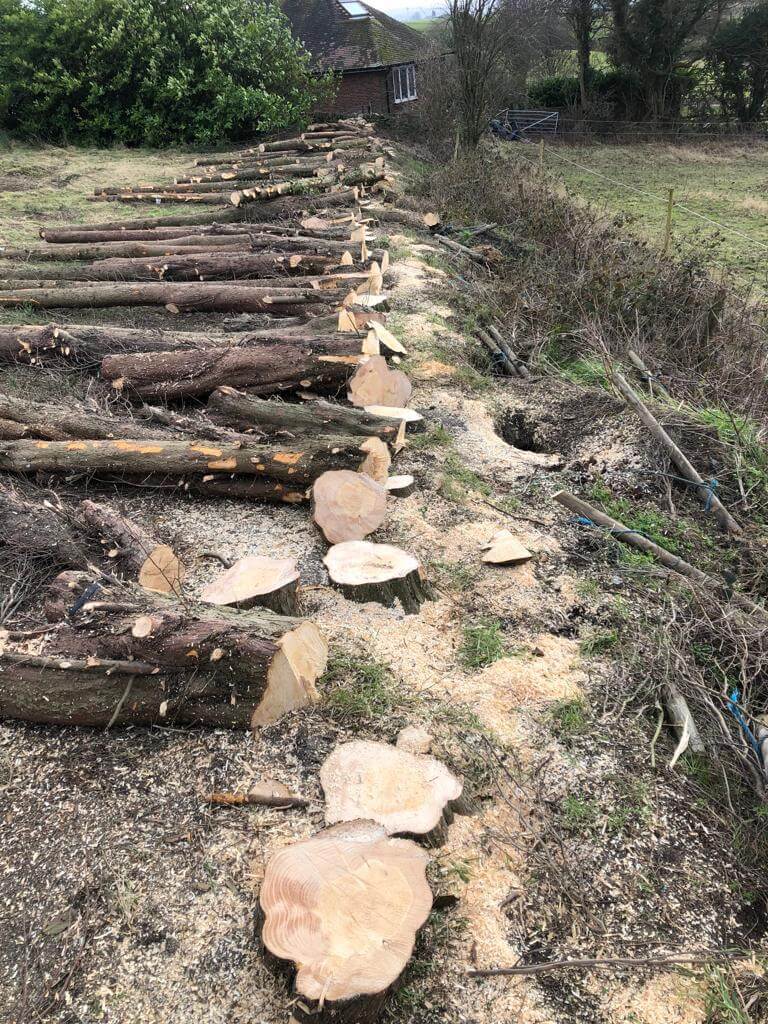
Coppicing is a woodland management technique. A process of cutting trees down, allowing the stumps to regenerate for a number of years and then harvesting the resulting stems.
The cut tree stump is known as a stool and the shoots when harvested are used for various things including rods, poles and logs. The shoots are harvested on a rotational cycle which means that they are left to grow for a number of years and then are cut. Once cut the whole process starts again.
Tree Planting
S&D Landscapes Ltd offer a full range of Tree Care services throughout the Yorkshire region. We cater for both Domestic and Commercial clients needs and have a fully qualified arborist team on hand capable of handling even the most complex tree work projects.
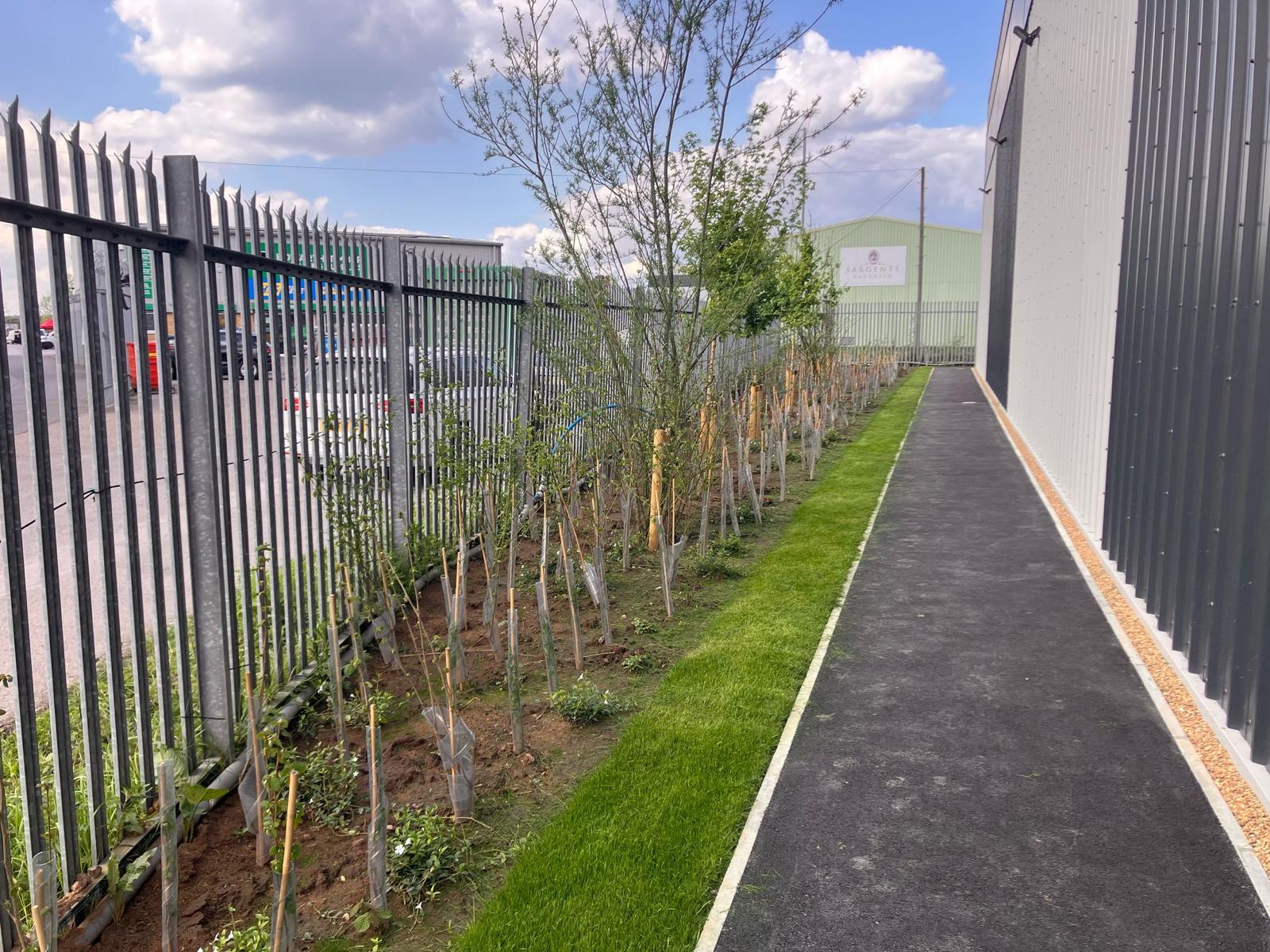
From one specimen tree or a whole woodland, we offer a comprehensive planting service. S&D Landscapes can assist you with selection, advise upon suitability of species for soil conditions and location and supply and plant trees of all sizes.
On request we can source most trees, regardless of size.
Planting trees is an effective way to beautify your property, add interest, create a natural habitat for birds and animals as well as provide shade in summer and wind protection in winter. Since a tree is such a visible part of a landscape care must be taken to ensure proper growth conditions are maintained.
Reduce your Carbon Footprint
Planting trees is a great way to offset your carbon footprint and can help you on your way to becoming carbon neutral. Through what is called photosynthesis trees absorb carbon dioxide to produce oxygen and wood.

Trees Subject to TPO and Conservation Area
To find out if your trees are protected, S&D Landscapes will contact your local Planning Authority. If your trees are protected, we will on your behalf take care of all planning permission to do any tree surgery.
If you remove trees or do work to them without permission you could be prosecuted so it is important that you follow the correct process. When applying to the local planning authority to carry out work on a tree you will usually receive a decision within 6 weeks for Conservation Areas and 2 months for TPOs and planning conditions. If you want to remove trees, you may be required to plant replacements of the same species and in the same location.
Not all trees are protected
But any tree is eligible for protection, regardless of age, species or size but no trees are automatically protected. There are three ways in which a tree or woodland might have been given some sort of legal protection:
- A Tree Preservation Order (TPO) has been made at some time;
- A planning condition has been made at some time to cover a tree;
- The tree is within a conservation area (however, this one is not strictly protection, but requires that the owner gives notice to the council of their intention to carry out Tree Work).
Tree Preservation Orders (TPOs) are made under the Town and Country Planning Act 1990 and the Town and Country Planning (Trees) Regulations 1999. It is always advisable if in doubt to check if your trees are protected.
Tree Pruning & Shaping
Crown Reduction
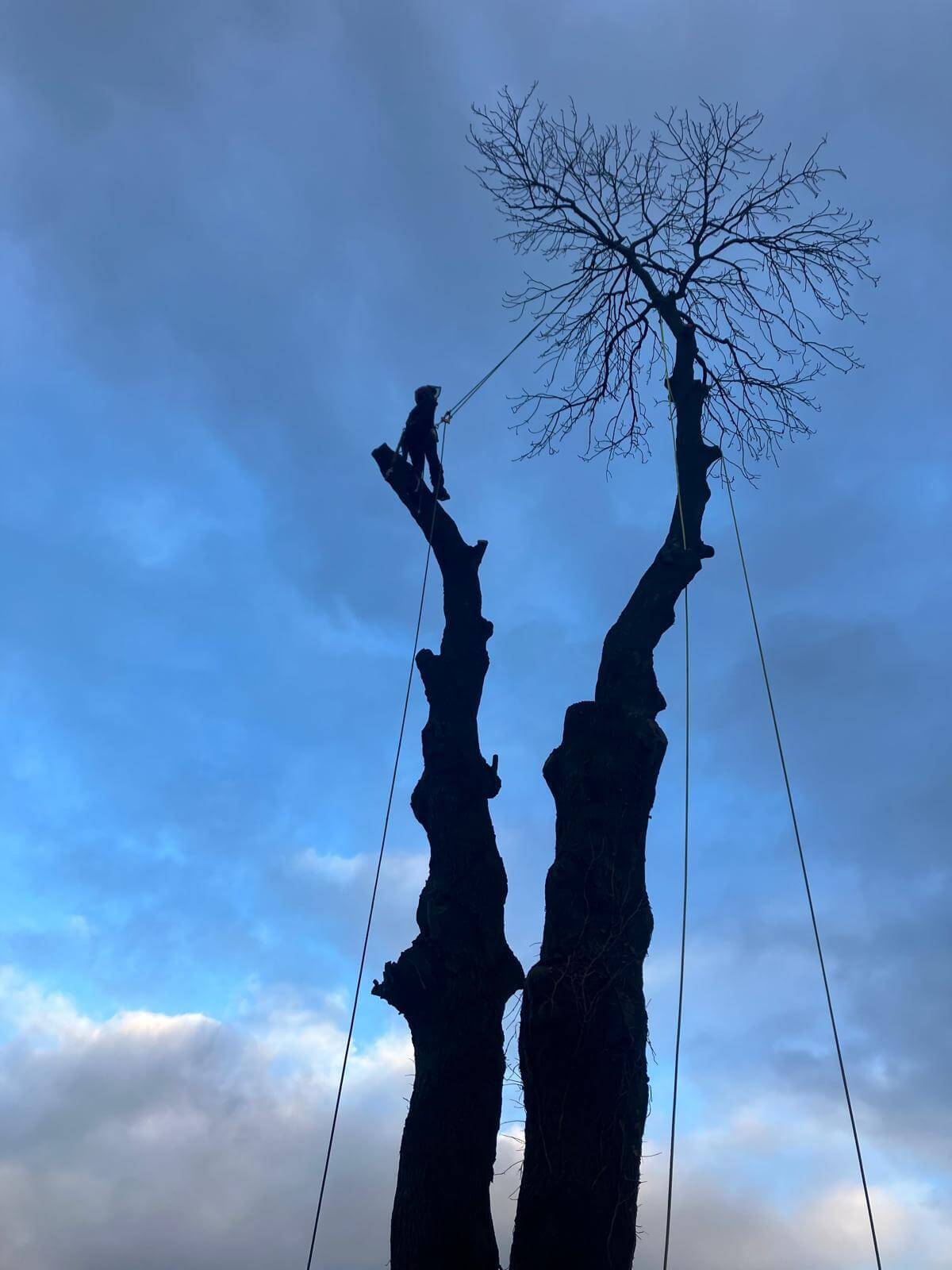
Crown reduction reduces a tree’s crown and is used to reduce the height and/or spread of the crown of a tree by the removal of the ends of branches while still maintaining its natural shape. This technique can be used to: reduce wind resistance, to reduce water up-take, to control the size of a tree in a restricted environment or to allow more light through. This method is not to be confused with topping, which is detrimental to the trees health. Crown reduction carried out correctly involves cutting branches back to a growing point, an area that will heal and continue the life of your tree. Topping is usually random cuts, which soon get infected, and in some cases promotes tree growth, which is not the goal.
Crown Lifting
Crown lifting is the selective removal of the lower branches of a trees crown to increase the distance between the base of the canopy and ground level. This type of pruning should, if possible be carried out before a tree reaches maturity in order to avoid large wounds.
Crown Thinning
This involves the selective removal of some secondary branch and stem growth to create a less dense crown. Crown thinning is sometimes recommended to increase light, however, the European Standard advises a maximum of 15%. if there are complaints about a tree blocking the light, but is often unsuccessful because the amount of branch wood we remove without harming the tree is minimal. Work can also be carried out to create a more balanced crown as the weight on the limbs is lifted and the tree’s natural shape returned.
Dead Wooding
Dead wooding is the safe removal of any the dead wood from the tree. This is to stop the hazard of them falling on to buildings, vehicles or the public.
Crown Cleaning
This involves removing dead or diseased branches. Crown cleaning will only be carried out where there is a real possibility of falling branches causing accidents or injury, or if diseased branches threaten the tree’s health. Dead wood has immense ecological value and is not normally removed from trees which are away from very public areas eg quiet areas of parks or woodlands.
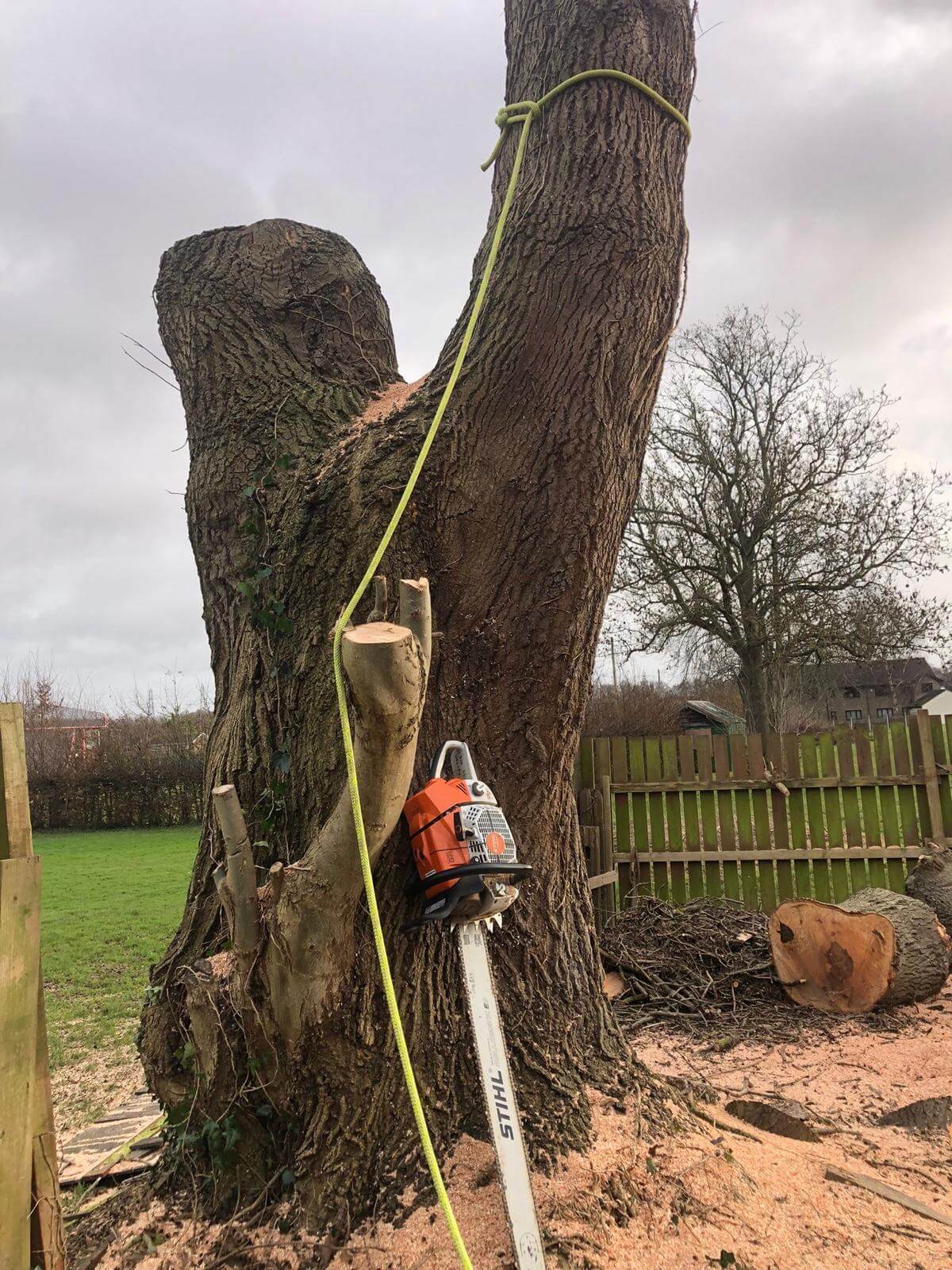
Tree Felling
We carry out all aspects of arboriculture / tree surgery and tree felling in Yorkshire including in Wakefield, Leeds, Huddersfield, Bradford, West Yorkshire, South Yorkshire, North Yorkshire and East Yorkshire.
Where space allows and where there are no obstacles or targets, a tree may be felled in one go. A directional cut is made at the base of the trunk and the tree allowed to fall.
Sometimes it may be necessary to remove some branches to correctly weight the tree i.e. removing a large branch on the opposite side of the intended direction to remove back weight.
Where necessary or simply as a failsafe, a pulling rope or directional winch may be used to encourage the tree to fall in the intended direction, particularly for large heavy trees.
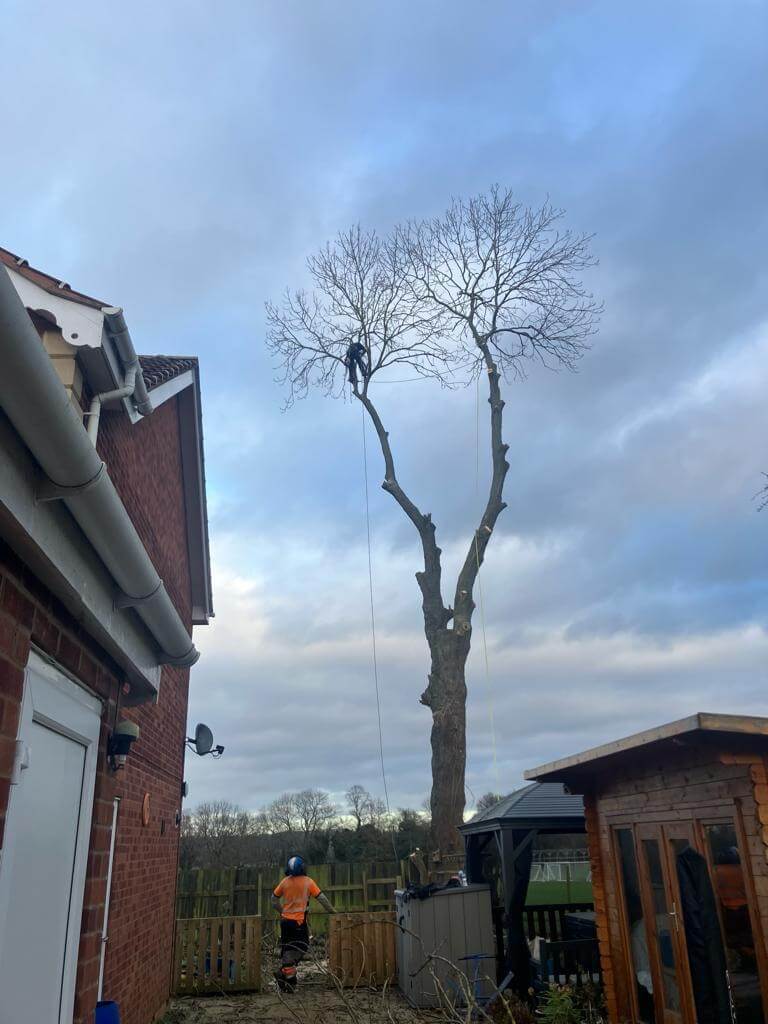
Things to look out for when Tree Felling
If there is decay present in the trunk the structural integrity of the wood will be compromised. There may not be enough strength to make the directional cut effective.
A tree may be multistemmed and have included bark in between the stems. Felling at the base may cause the trunks to seperate and fall in different directions.
Different species of tree have different structural properties and wood fibre strenghts. With the correct directional cuts, some species of tree can be made to fall away from their natural lean. Others however have limited strength and may not. Knowing the difference calls for experience and knowledge.
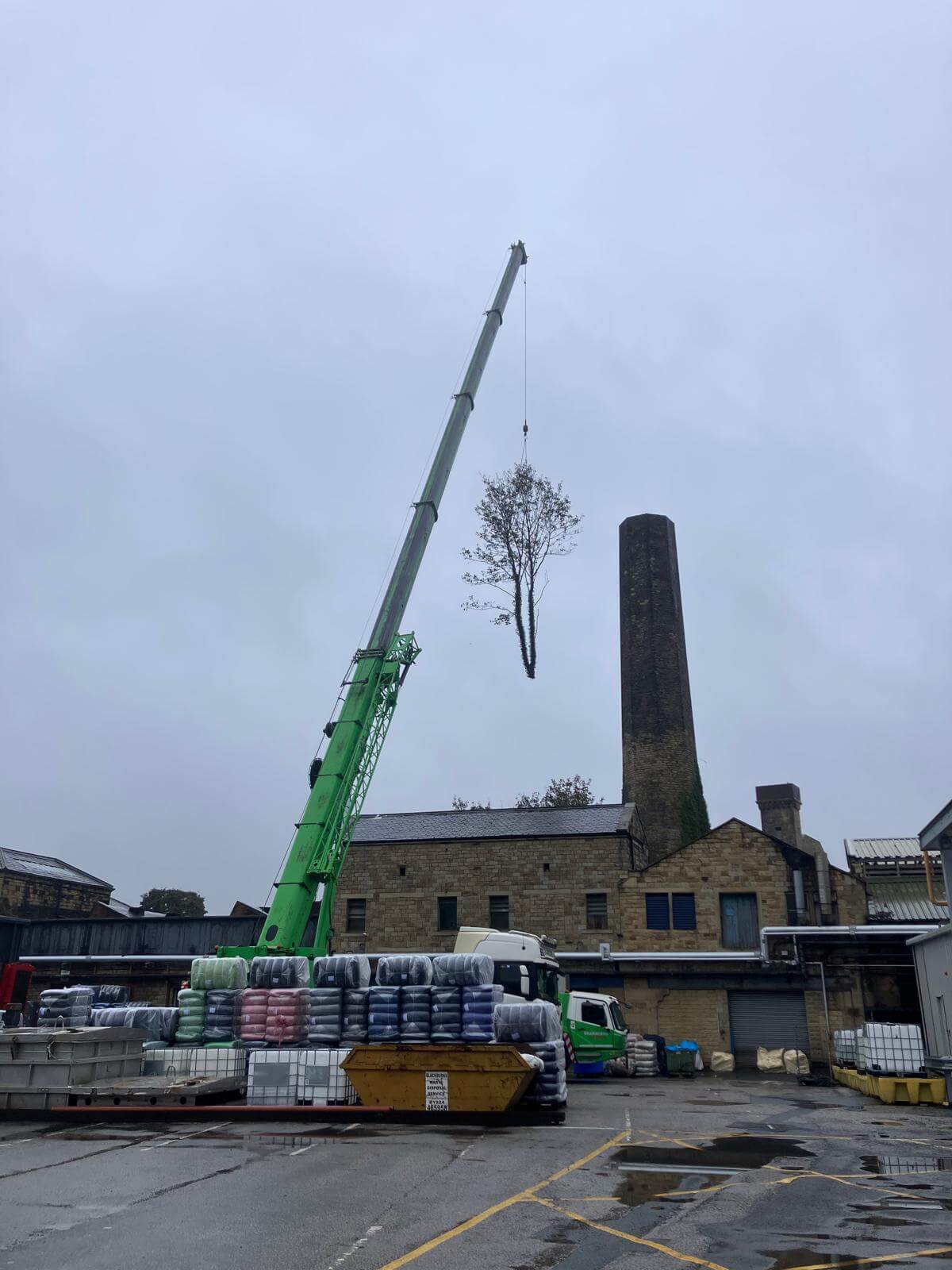
Where there is not enough space to fell a tree in one or there are targets and obstacles that can not be removed, then a tree can only be removed by dismantling it in sections. This is commonly know as section felling.
Where it is not possible to drop sections from the tree, they can be roped down by means of a pulley block attached to a suitable anchor point in the tree. Specialist lowering devices are used when sections are heavy and where control and security are necessary
Your Aborist and Tree Surgery Questions Answered
What is soft landscaping?
Soft landscaping refers to the use of living elements—such as grass, plants, trees, shrubs, and soil—to enhance the beauty and function of an outdoor space. It complements hard landscaping (like paving and walls) by adding natural texture, colour, and life.
What’s the difference between soft and hard landscaping?
Hard landscaping involves structural features like patios, driveways, decking, and retaining walls. Soft landscaping focuses on organic elements like planting, turfing, and soil work. Both are often used together to create a balanced and functional outdoor space.
Do you offer planting design as part of your service?
Yes, we specialise in planting design across Yorkshire, offering bespoke schemes tailored to your space, soil type, and personal style. Whether you want low-maintenance greenery or seasonal colour, we’ll create a design that suits your needs.
Can you help with turfing and soil preparation?
Absolutely. We handle all aspects of turfing and soil preparation to ensure your lawn thrives. This includes clearing the area, levelling the ground, improving soil quality, and laying premium turf for a healthy, long-lasting finish.
Is soft landscaping suitable for commercial properties?
Yes, our soft landscaping services are ideal for both domestic and commercial projects. We’ve worked with businesses, schools, and local authorities across Yorkshire to create welcoming, professional outdoor environments.
Do you offer maintenance after installation?
Yes, we offer tailored maintenance plans to keep your garden or outdoor space in top condition. From lawn care to seasonal planting updates, we ensure your landscape continues to look its best all year round.

